Preparing You for Your Future

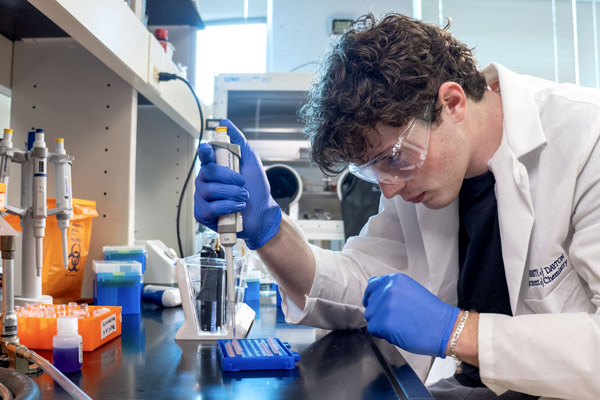
At UD, studies in biology combine specific scientific knowledge and theory with robust laboratory and field experience. Your classroom may include observing antibiotic-producing bacteria, wading through wetlands, exploring behavioral neuroscience, analyzing real-time physiological data collected on classmates or studying patterns of evolution and development in fruit flies. Our graduates are well-prepared for pursuing a career or an advanced degree.

Biology majors enjoy individualized attention from our faculty and are encouraged to participate in undergraduate research opportunities with them. Undergraduate students can choose a focus in biomedical science, ecological/environmental science or neuroscience.

Programs of Study


Every Student Is Unique. So Are We.

Faculty Research

Our faculty conduct cutting-edge and award-winning research. Our students gain hands-on experience through faculty-mentored research.

Learning Beyond the Classroom

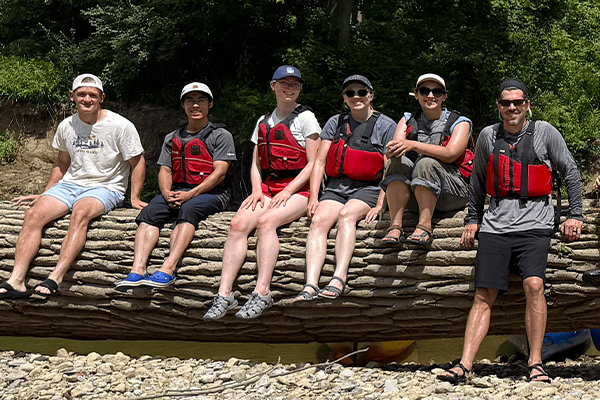
Biology majors can gain real-world experience through several curricular and extra-curricular activities, such as study away and abroad, field study, internships, student organizations, service and research opportunities are available to every student.

Bachelor’s Plus Master’s Program

The Bachelor's Plus Master's Program in biology is open to students pursuing a B.S. degree in biology or environmental biology or premedicine at the University of Dayton. The Graduate Admissions Committee will also consider and evaluate applications other majors on a case-by-case basis for candidates that meet the requirements for a Master’s Degree in Biology.

Graduate Faculty Mentors

Applicants must identify a Biology faculty mentor to apply to the Biology graduate program. Once a student is accepted, the faculty mentor will serve as the director of the student's Graduate Advisory Committee. The composition of this committee is representative of the general field of study in which the student expects to work. The committee helps to plan the student's entire program. The committee generally meets with the student twice a year to offer suggestions and assess progress in the program and thesis or dissertation research.

Graduate Faculty

Career Preparation

The Biology Department engages students in a developmental process of vocational and career discovery and discernment through a wide variety of introductory and upper-level lecture and laboratory courses, seminar and capstone courses and research experience courses.

Career development is actually built into our undergraduate curriculum from the first year through the senior year making our students more competitive. With more than 85 different lecture and laboratory courses in cancer biology, regenerative biology, restoration ecology and in-depth study of the microbial world, UD biology majors can explore a fascinating range of subjects, engage in undergraduate research opportunities with top-flight faculty and prepare themselves well for further study or direct entry into the workforce.

Many of our biology alumni work in the fields of medicine, dentistry, industrial and pharmaceutical research, teaching, veterinary science, physical therapy, pharmacy, nursing, anesthesiology, environmental and patent law, entrepreneurship, public health and government positions.


News and Updates
12.12.2025
divider

Undergraduate research uncovers wildlife adaptations on solar arrays link-arrow link-arrow

Undergraduate students published research about bird nests in solar arrays in the peer-reviewed journal Ecology and Evolution.
12.9.2025
divider

The Biology of Composting link-arrow link-arrow

A Zero Waste team member gets an in-depth lesson about the biology and chemistry of composting.
11.12.2025
divider

Addie Hughes: The Baffling Biology of Blanchard's Cricket Frog link-arrow link-arrow

The University of Dayton Honors Program pushes students to use their knowledge for challenging and dynamic coursework, but also to discover new truths about the world and how it operates through innovative research projects. One Honors Program member, Addie Hughes, is leaning into her passions and expertise with research on Blanchard's Cricket Frog.