When Jack Cushing (’28), a business analytics major and political science minor in the University of Dayton School of Business Administration, first searched for a college as a high school senior, he was looking for a big state school.
But after beginning college at a large public university, Cushing realized something was missing. He wanted stronger relationships with faculty, personalized academic support, opportunities to get involved, and a community where he could belong.
Before his sophomore year, he made a significant decision: transfer to the University of Dayton.
“As a senior in high school, during the college search, I was looking at big state schools,” Cushing said. “But I should have been looking for a community."
Today, Cushing sees his transfer experience as a lesson in what really matters when choosing a college.
An Education You Earn
For Cushing, one of the biggest differences at UD is that academic rigor comes with personal support.
At his previous university, Cushing said meaningful relationships with professors leading a 300-person lecture hall were rare. At Dayton, he found himself in business classes of around 35 to 40 students, where faculty quickly knew him.
“First week, my professor knows my name,” he said. “I’m like, well, this is just different.”
Those relationships extend beyond just knowing his name. Cushing has turned to faculty for guidance as he explores his academic interests and takes on new opportunities by consulting with his Hanley Center for ESG Investing faculty advisor about a leadership position.
“Having those close connections with your professors, and people in your class, help you to grow as a student and as a person,” he said.
But personal attention doesn't mean lower expectations.
At the University of Dayton School of Business Administration, he found a different level of accountability.
“You actually earn your grade here,” Cushing said. “Everything matters.”
For Cushing, high expectations paired with accessible faculty better prepare students for what comes next. Students are expected to learn the material, manage their time, and consistently put in the work, all with professors who know them and are invested in their success.
An Advisor in Your Corner
Transferring brought another concern: Could Cushing still accomplish everything he wanted academically?
Not all of his previous college credits applied directly to his new degree requirements. His Holistic Academic Advisor, Brad Balser, assistant dean for undergraduate programs and director of the Mittelstaedt Center for Academic Advising and Business Student Success, helped him create a path forward.
When Cushing needed a summer course to unlock business analytics classes the following semester, Balser helped him navigate prerequisites, registration, and course planning.
“Working with Brad has been a game changer,” Cushing said. “He helped me figure out how to get in all the classes I need to graduate in four years.”
Finding His People and His Place
Beyond academics, Cushing was searching for a sense of belonging.
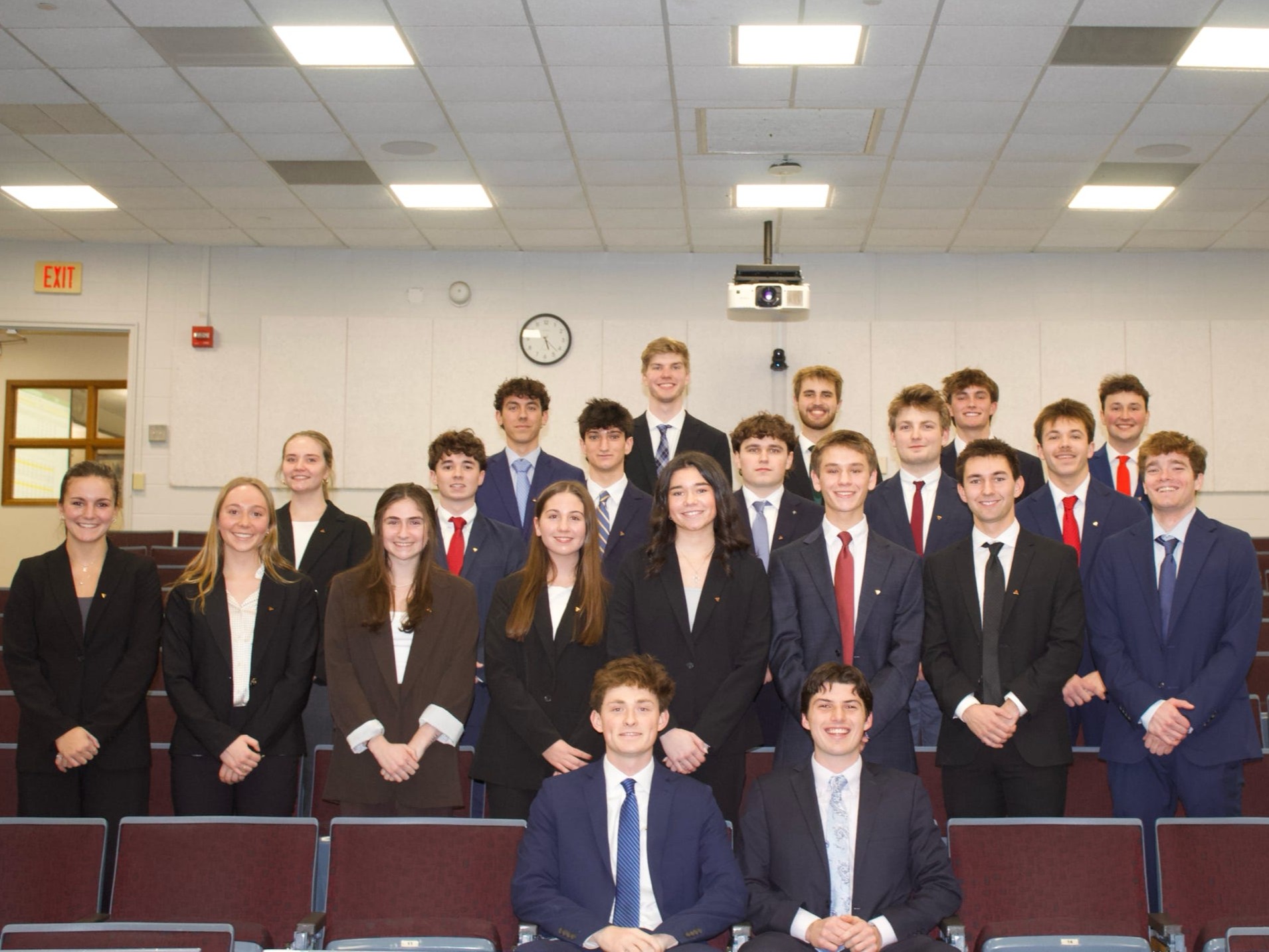
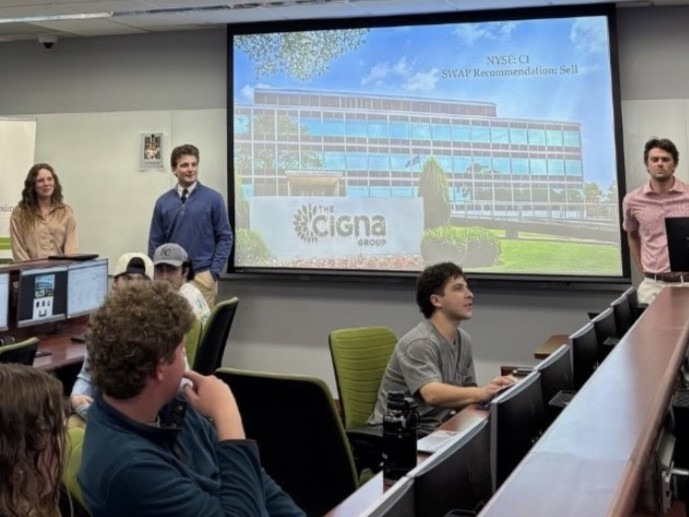
He followed the advice to “Always say yes,” exploring organizations and opportunities across campus. Through the Hanley Center for ESG Investing, he gained real-world business experience while building close friendships.
“I met a lot of great people through Hanley,” he said. “Its a place where I feel like I really belong.”
Now head of sustainability with the Hanley Center, Cushing said that by the middle of his second semester, he no longer felt like “the new guy.”
“I am a UD student,” he remembered thinking. “I am part of the UD community.”
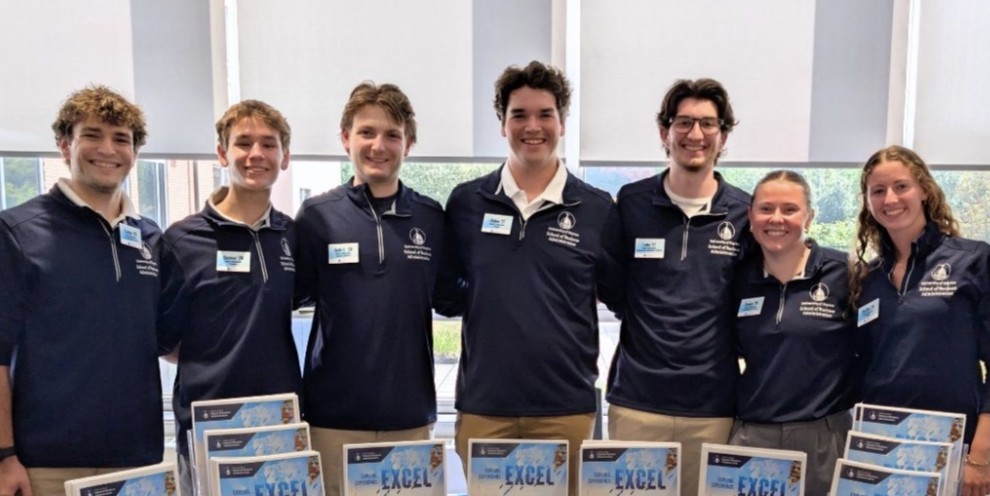
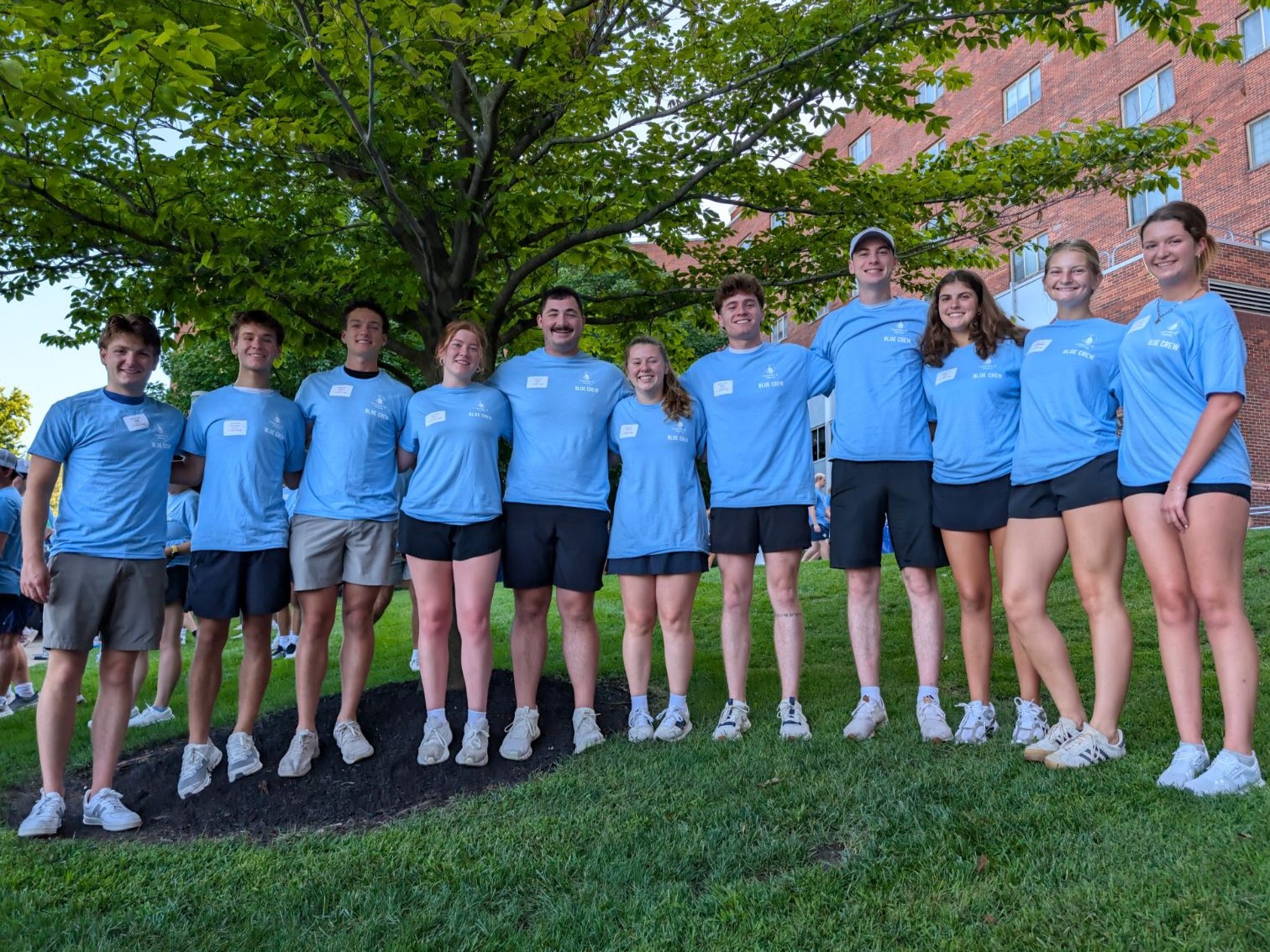
Today, he is a member of Delta Sigma Pi, a Dean’s Ambassador, and serves as a Transfer Mentor, helping other students find their own place within a UD community he sums up in one word: supportive.
Finding your Place
For Cushing, transferring taught him to look beyond a name and focus on where he could learn, connect, and belong — a lesson he’ll carry with him.
“When I graduate I want to work at a place that feels like a community where it feels like a supportive environment for me to grow,” he said.
His advice to prospective students is just as simple: get involved.
“The best way to find your place is by putting yourself out there and getting involved,” Cushing said.
Transferring was the biggest risk he had taken, but one he is thankful he made.
“I am so grateful for it,” he said.
Sometimes, finding the right college isn't about where you start. It's about finding where you belong.