Living classroom
In Tokyo and Osaka, UD students explored Japanese culture this summer not just by studying it, but by making paper, practicing calligraphy and engaging with centuries-old traditions firsthand.
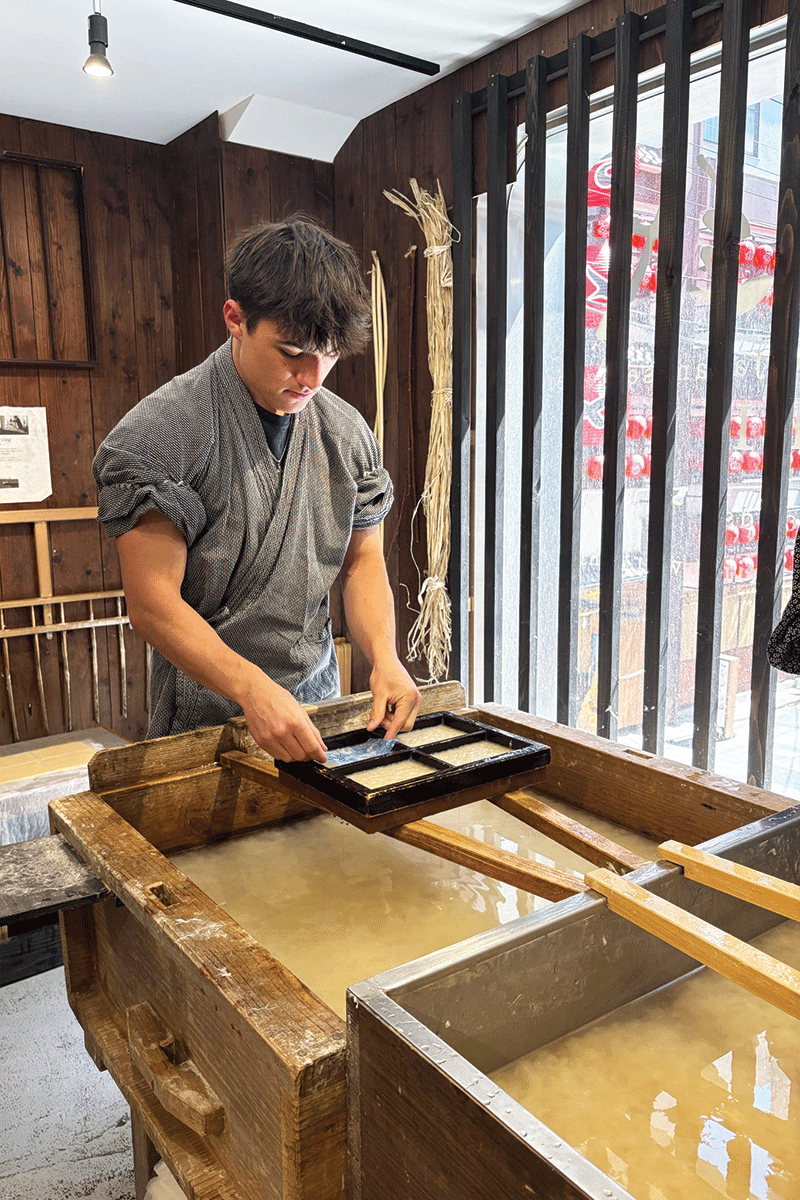
Senior Madailein Coomer had never done this before. She pulled on a heavy canvas smock and hovered over a vat of murky water. Peering into the cloudy bath, she took a deep breath and plunged both hands beneath the surface until she felt the sludge between her fingers. It was pulp from mashed mulberries called kozo, the material most commonly used to make washi, Japanese paper, a tradition dating to the sixth century.
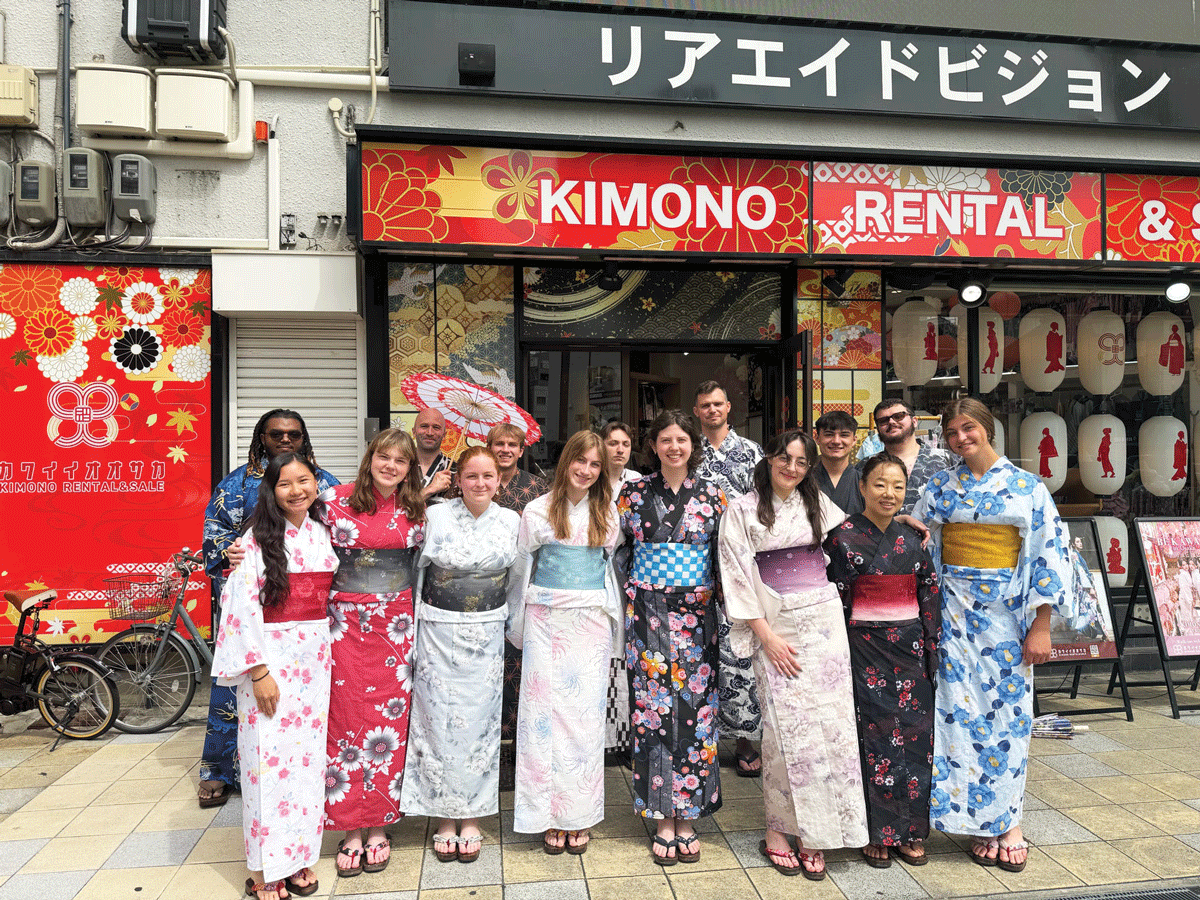
Coomer scooped the pulp into a large wooden mold, dipping it into the water again and again until a delicate sheet of paper began to take shape. She chose green and purple inks to dye it and placed it on a drying rack.
“Very Monet-like,” said Coomer, an English major. “Honestly, I could see myself doing this as a hobby.”
Making washi was one of many hands-on learning experiences for the dozen UD students taking two courses, History of Writing and Literate Cultures and Visual Ethics, during a June education abroad program in Tokyo and Osaka, Japan.
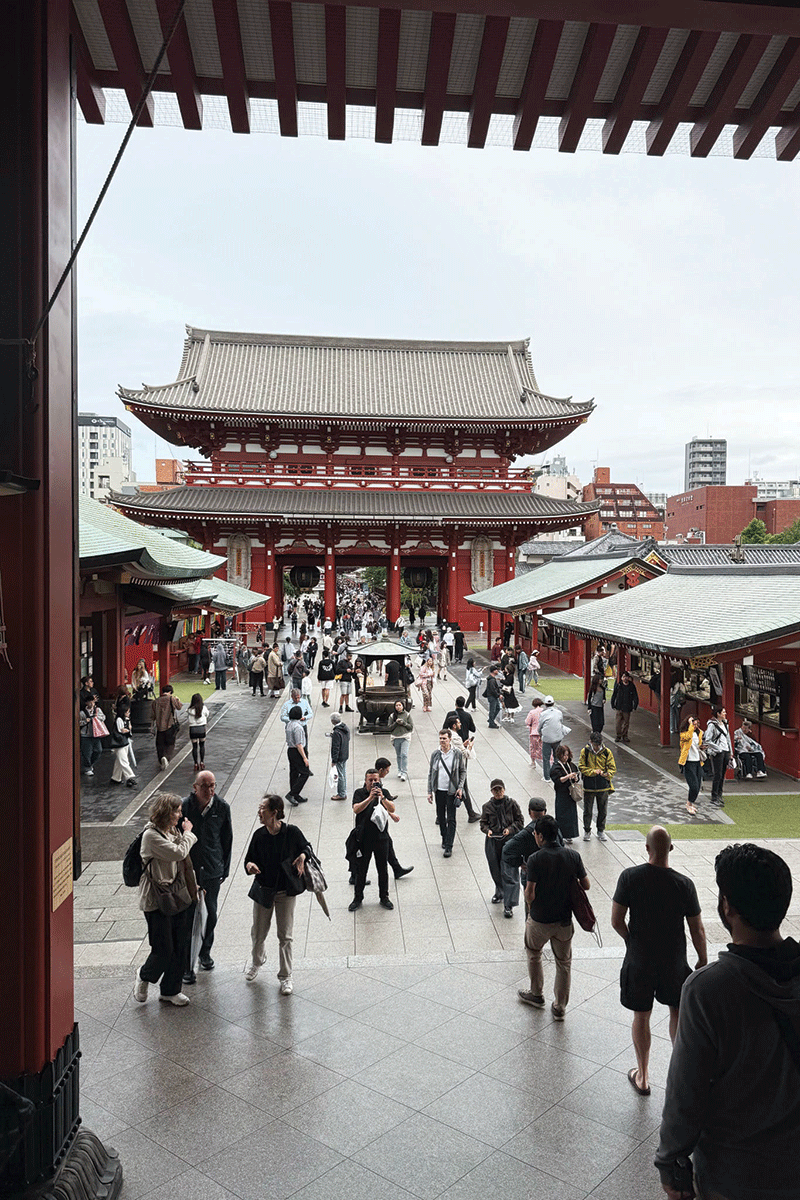
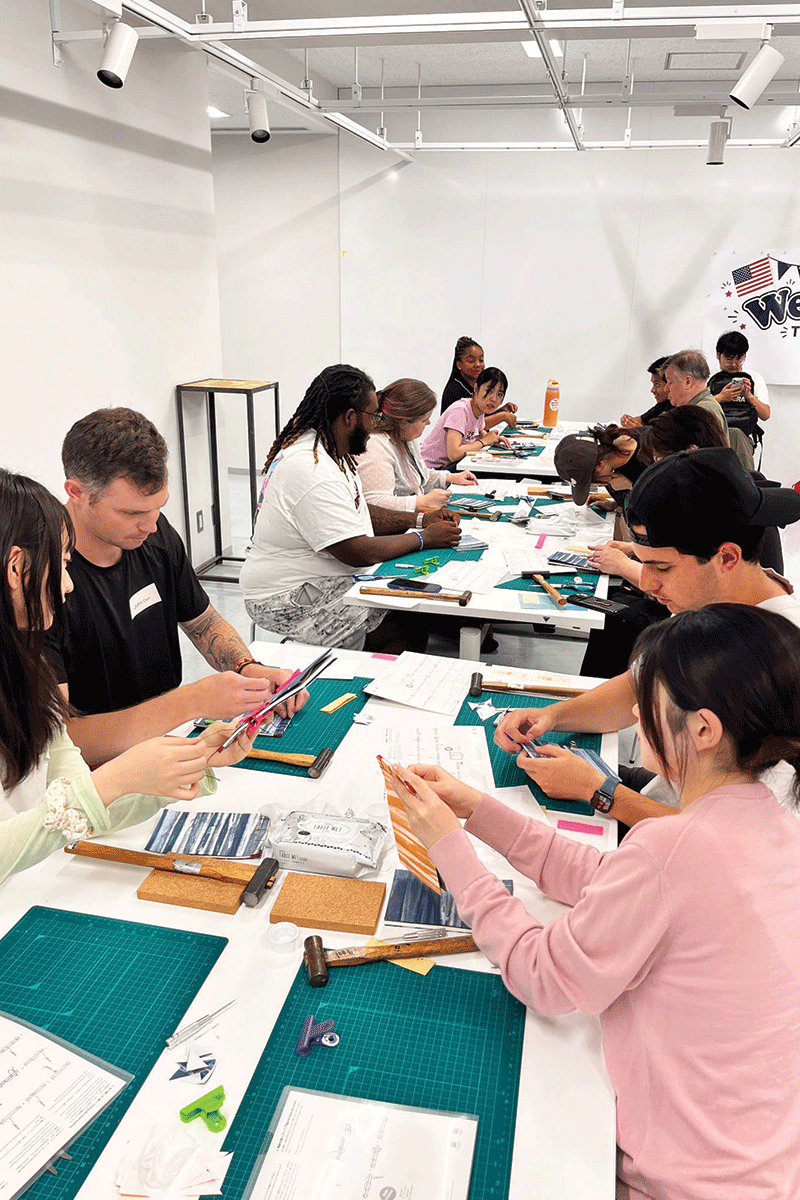
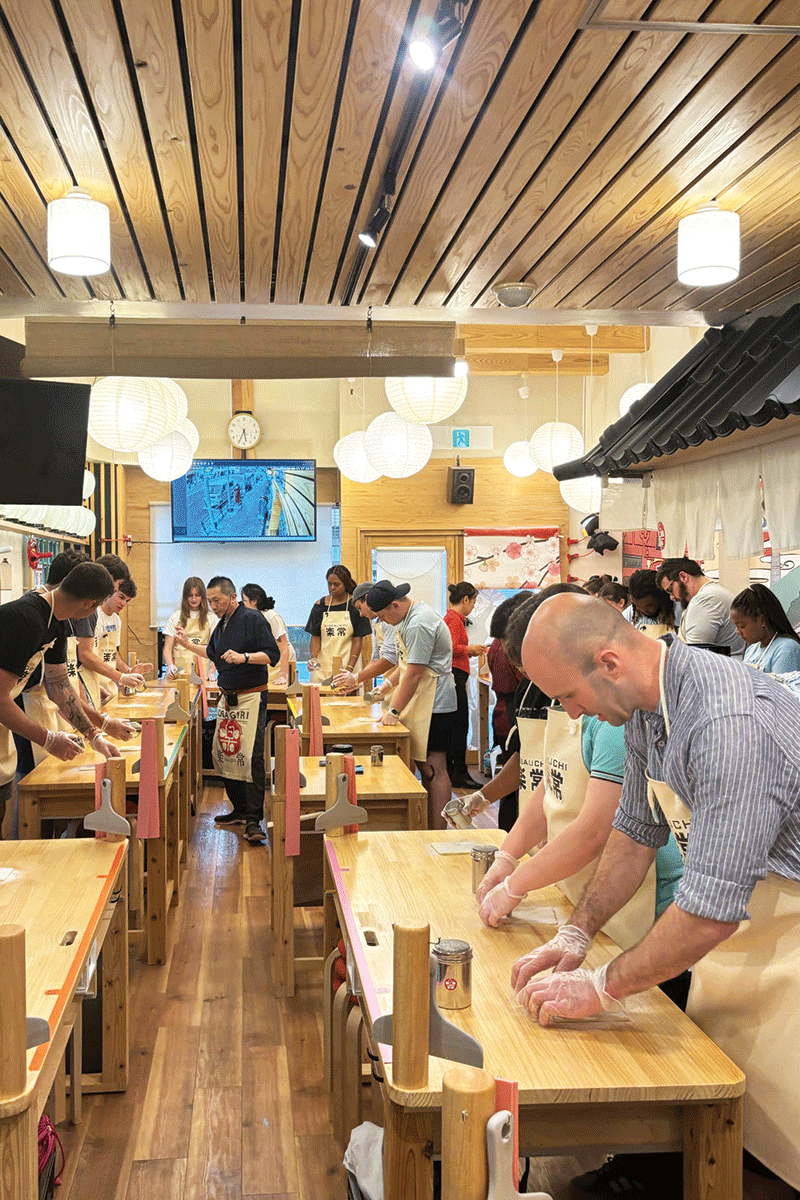
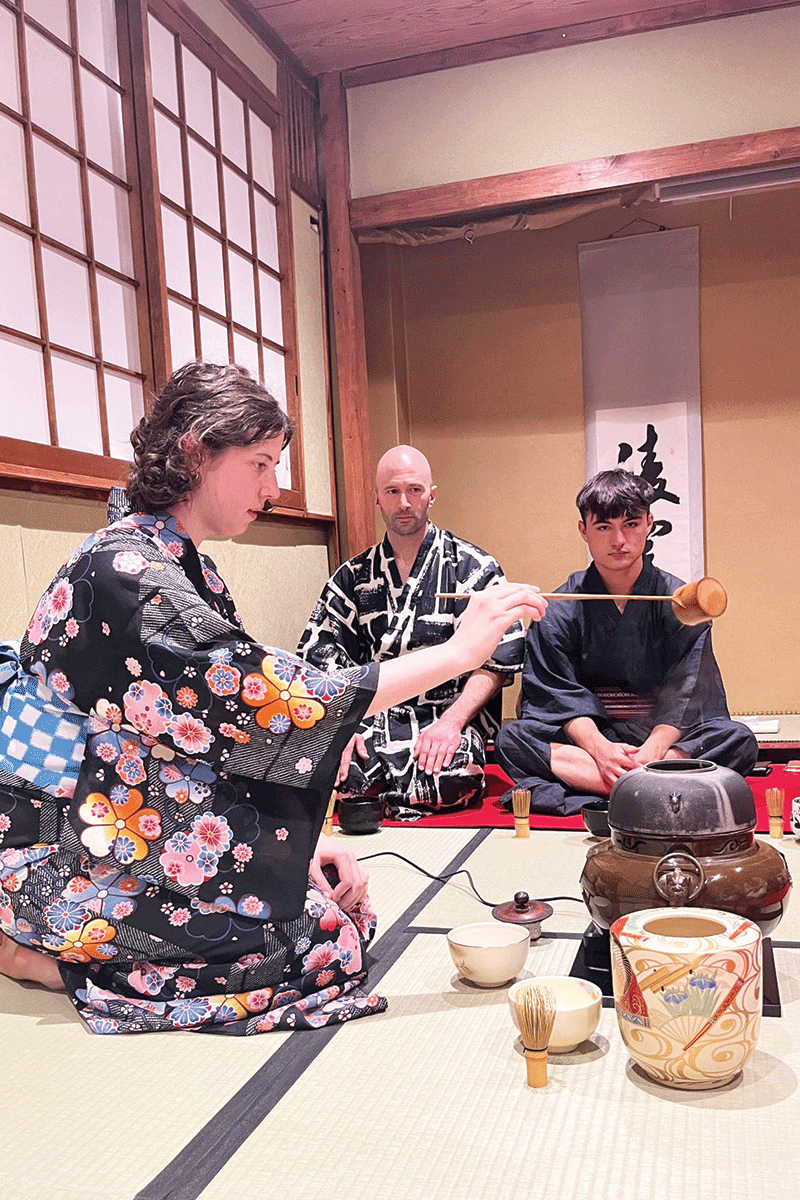
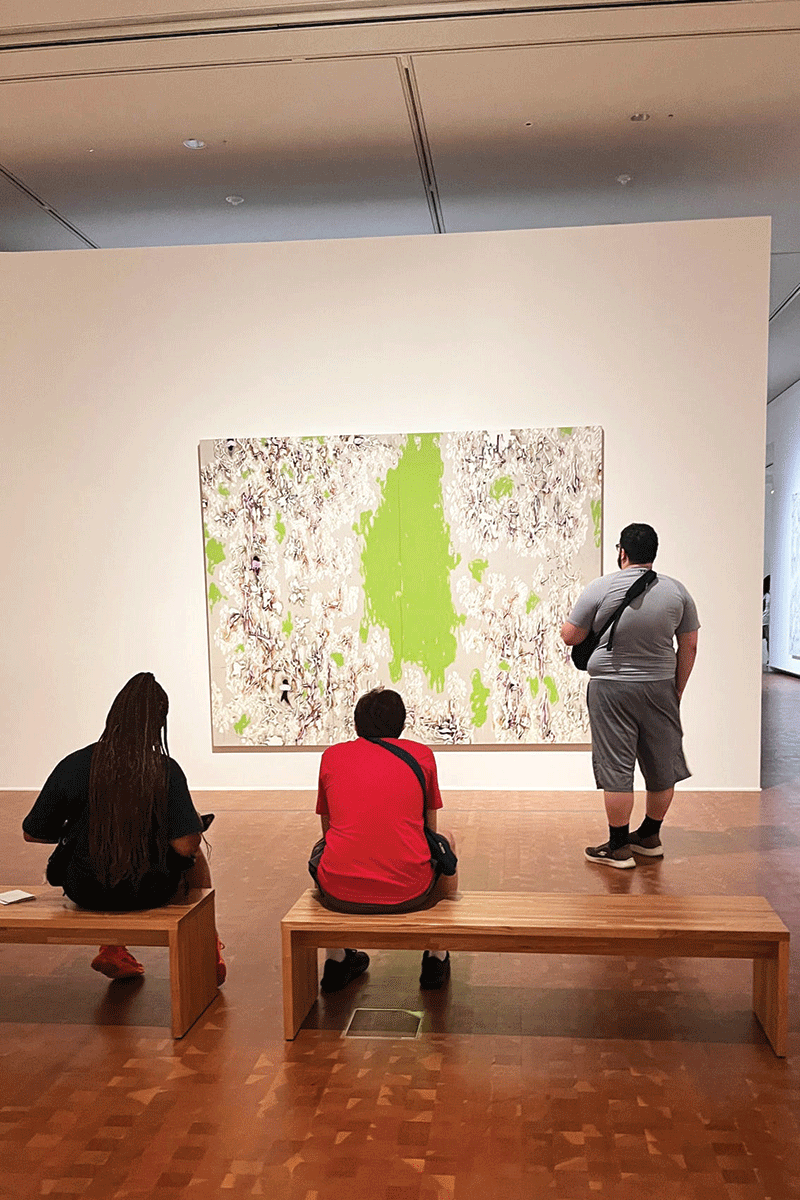
For Patrick Thomas, associate professor of English, that immersion is the point: Students don’t just study the history of writing — they experience it.
“It felt less like I was just there for class and more like I was there to actually experience life in Japan.”
“When you have an entire world city like Tokyo available to you, students are not only able to look at artifacts in museums but actually engage in the process of seeing and making the materials,” said Thomas, who taught the courses with Suki Kwon, professor of art and design.
Thomas explored the history of writing through Japanese literature and calligraphy, while Kwon examined visual ethics through Japanese art, design and architecture. From creating handmade books and paper to learning about Japanese publishing, popular culture and gaming, students experienced the subjects they were studying through both practice and conversation.
For Coomer, that immersive approach changed how she experienced the country. Beyond the lessons themselves, she said, the experience revealed how art and tradition can create connections across cultures.
“It felt less like I was just there for class and more like I was there to actually experience life in Japan,” Coomer said.
Marketing senior Greyson Schaad, like Coomer, had never been to Japan. He said one experience stood out above the rest: visiting Koka Gakuen, a Marianist all-girls school.
“The students were so excited to see us, teach us and spend time with us,” he said, emphasizing the songs the students sang for the group. “Honestly, it was the best choir I’d ever heard in my entire life. I felt really connected to my faith just being there.”
Thomas said Schaad’s reaction was echoed by many of his students, who have been formed by their Marianist education at UD.
“They really saw how other students, around their age, connected through the Marianists,” Thomas said. “That was as unexpected and touching to them as any in-class learning we had.”
By the end of the short four weeks, students didn’t just leave Japan with memories of what they had seen. They left with memories of what they had made, touched and experienced for themselves.
Photographs by Suki Kwon.
A version of this article appears in print in the Autumn 2026 University of Dayton Magazine, Page 22. EXPLORE THE ISSUE — MORE ONLINE