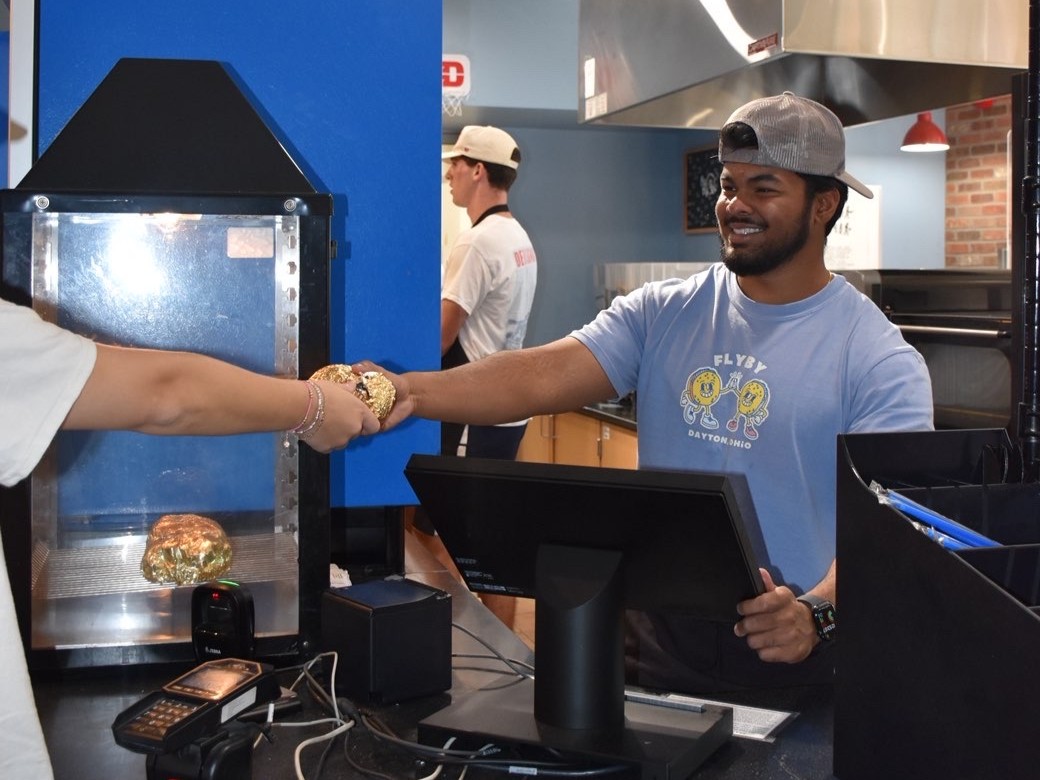
What if, as a college student, you could pitch a business idea, put it into operation and then watch the sales data roll in?
For Jeevan Subramaniam (‘28), a University of Dayton School of Business Administration management major and operations and supply chain management and insight selling minor student, that is part of the job.
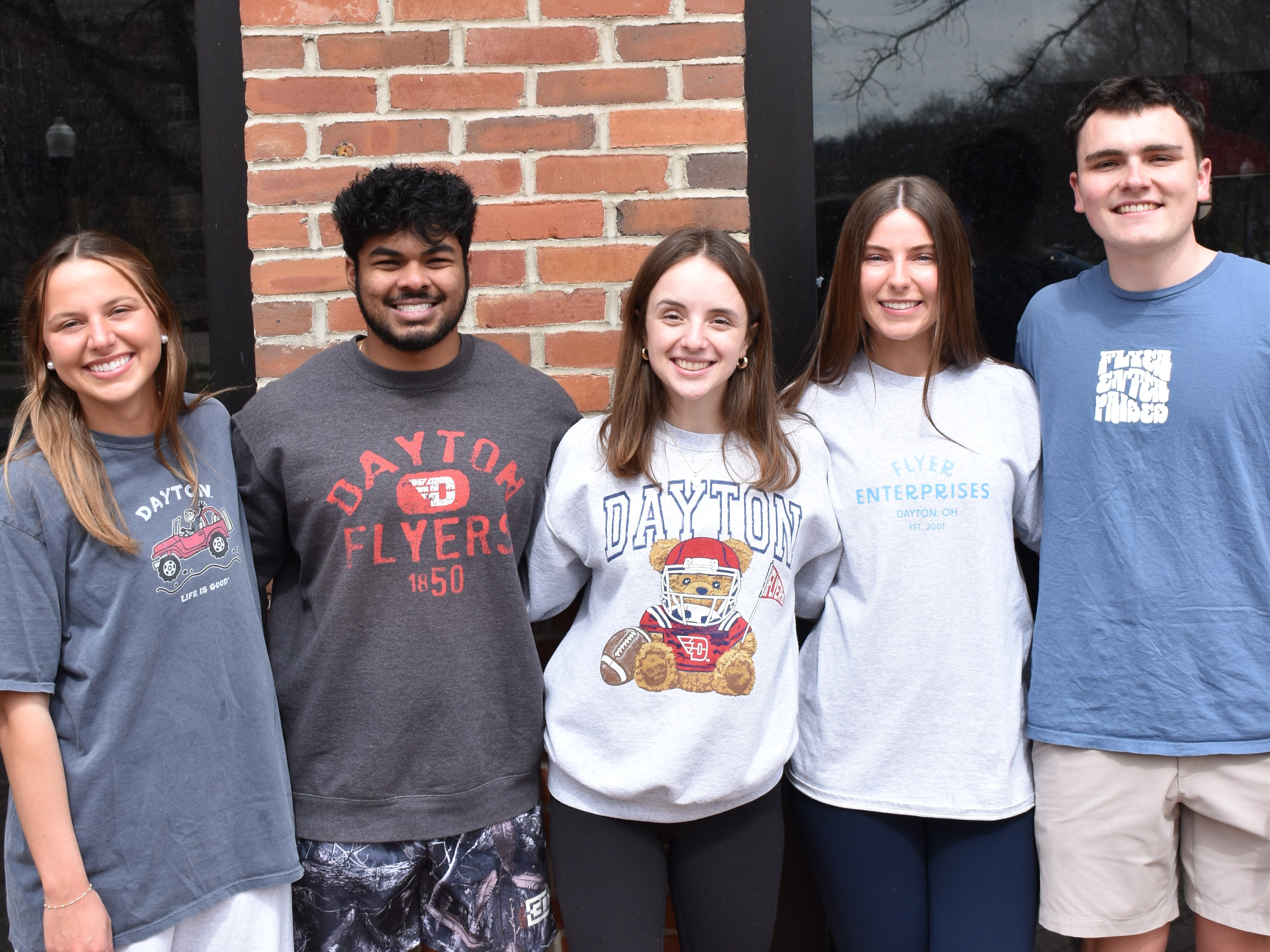
As a product manager for Flyer Enterprises, one of the nation’s largest student-run businesses, Subramaniam helps manage Flyby. He orders products, manages inventory, develops menu items, analyzes sales and helps lead a team of about 30 student employees.
And one of his ideas is already making an impact.
Located in Kennedy Union, Flyby can get especially busy as classes let out. Subramaniam noticed students walking in, seeing the long line and turning around. At the same time, employees were working through a rush of orders, often making the same popular breakfast sandwiches again and again.
He saw an opportunity to make the experience better for both groups.
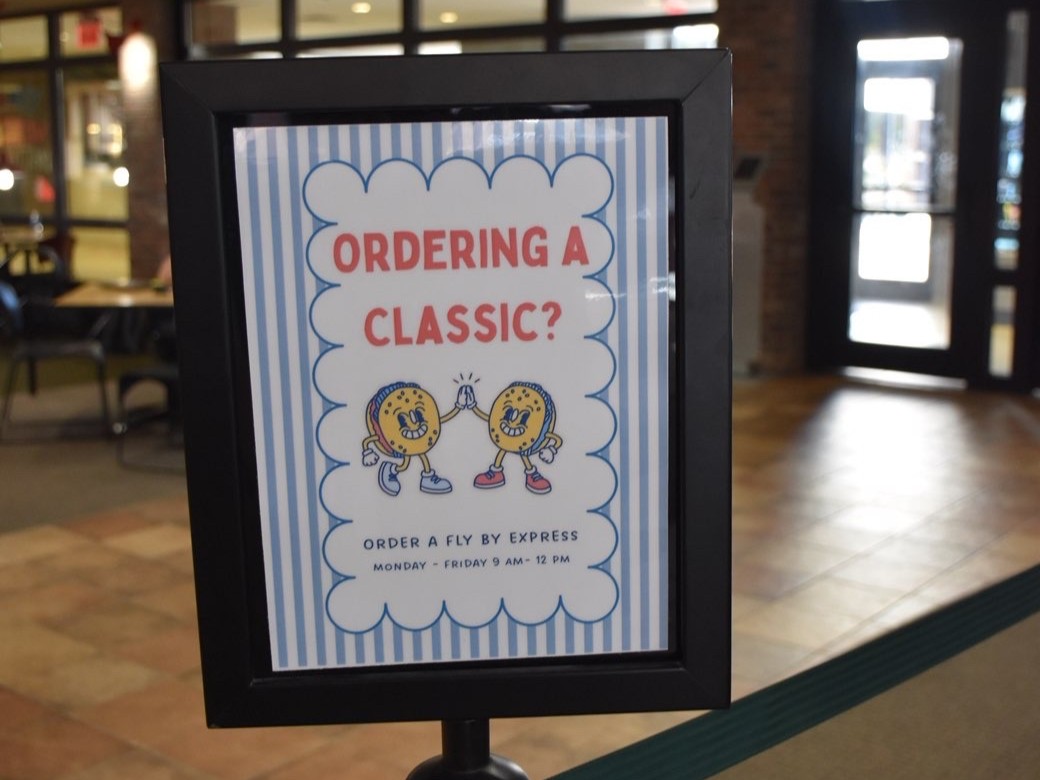
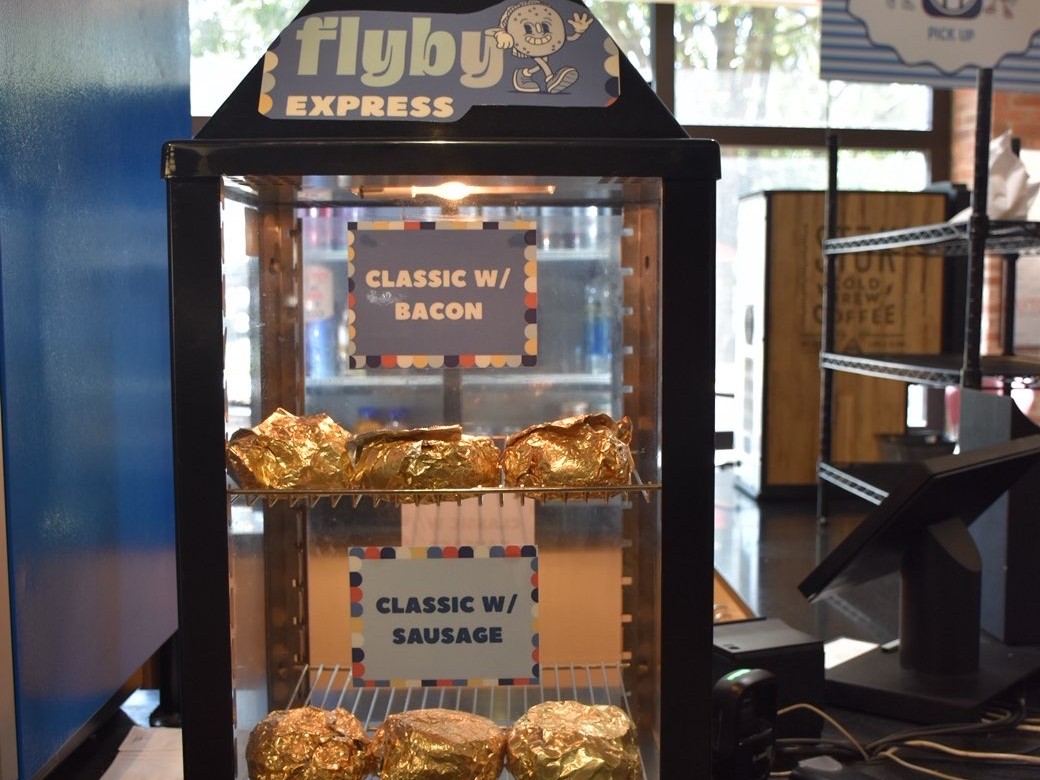
During the Flyer Enterprises management interview process, Subramaniam pitched Flyby Express, a grab-and-go option featuring popular breakfast sandwiches prepared in advance. Students in a hurry can grab a sandwich without waiting for it to be made to order, while employees have fewer individual orders to prepare during peak periods — helping reduce pressure on the team during busy rushes.
Within its first month, Flyby Express accounted for 16% of daily breakfast sales and 9% of Flyby’s total sales. But Subramaniam saw another sign that the idea was catching on when he began overhearing students refer to the grab-and-go option simply as “Express.”
For Subramaniam, hearing students use the name on their own was a small but meaningful sign that something he had proposed was becoming part of the Flyby experience.
The results give him an opportunity to experience the full process of innovation — identifying a problem, proposing a solution, implementing it and seeing how customers respond.
Learning to Lead With Data
Launching Flyby Express was only the beginning.
With support from Flyer Enterprises’ IT and analytics team, FEIT, Subramaniam tracks performance through daily, weekly, and monthly sales reports. If sales decline, the team can reconsider marketing or look for new ways to build awareness. If they remain strong, they can continue building on the concept.
Customers also help shape those decisions. Subramaniam regularly hears from students about favorite drinks, potential menu items and what they want to see at Flyby.
“I think just those little moments are what keep people coming back,” Subramaniam said.
Flyby Express itself reflects that balance between serving customers and supporting the student employees behind the counter.
“That was honestly 50% for the students, 50% to help out us,” he said.
When Supply Chain Challenges Hit Campus
Not every management challenge can be planned.
As product manager, Subramaniam orders Flyby’s food and supplies and works with multiple distributors. When a product is unavailable, he has to determine how Flyby will adapt.
Last year, a national tomato shortage directly affected the business. More recently, concerns about lettuce supplies prompted conversations about whether Flyby would be able to continue serving menu items that relied on it.
“Those things that you kind of just don’t really think affect you, they really do end up finding their way down the chain,” Subramaniam said.
Sometimes, the challenge is even more immediate. One morning, Subramaniam woke up to a call from student employees telling him Flyby had only six eggs left. He drove to a Gordon Food Service store, bought what the team needed and returned so operations could continue.
Those moments connect directly to what he is studying in operations courses, including forecasting and inventory management. Instead of only learning the concepts in class, he sees how they influence decisions in a working business.
Real Responsibility, Before Graduation
That responsibility extends beyond campus.
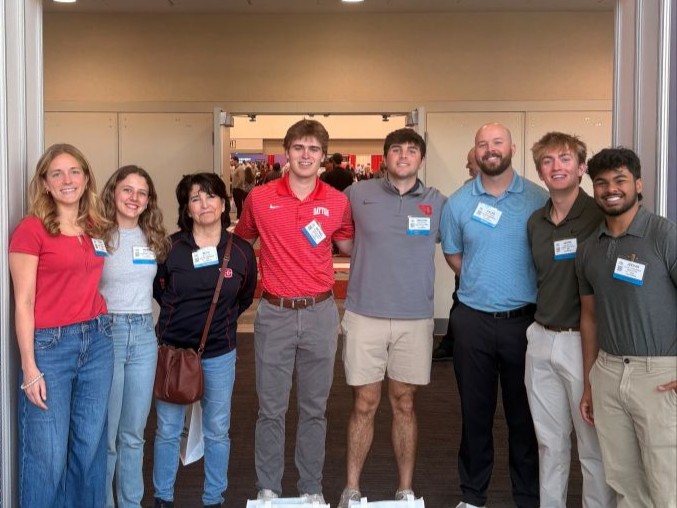
At the annual Hackney Expo in Indiana, Subramaniam joined other Flyer Enterprises product managers in meeting professional sales representatives, evaluating products and placing bulk orders.
The students had to consider which products would appeal to customers, how much to order and how much risk to take on something new. For an unfamiliar product, Subramaniam might place a small initial order, monitor its performance and decide whether a larger shipment makes sense.
What surprised him was that some vendors already knew who they were. As Subramaniam and the other product managers moved through the expo, sales representatives recognized them as the “FE students” from Dayton — a memorable distinction when the students making purchasing decisions were just 18 to 20 years old.
For Subramaniam, the experience meant more than placing orders. He was building relationships with professional sales representatives and making real purchasing decisions on behalf of a student-run business.
For Subramaniam, that experience complements what he learns in the classroom while building skills he can carry into future internships and careers.
It is also teaching him that management is rarely a solo effort. He credits the Flyby management team with collaborating on operations and stepping in for one another when needed.
For prospective students, Subramaniam encourages getting involved and being willing to pursue opportunities that feel outside their comfort zone.
“Pick one thing that scares you,” he said, “and just get involved as much as you can.”
At the UD School of Business Administration, students do not have to wait until after graduation to find out what it takes to manage, innovate and make decisions. Through experiences like Flyer Enterprises, they are trusted to start doing it now.