Turning the lens inward through the University of Dayton
The environment of Salyersville, Kentucky, surrounds you in a vast stillness broken only by the occasional sound of wildlife or a voice in the distance. It’s comforting to those who have spent intentional time in the town.
That feeling is what Luke Perry ’26 wanted to capture in his senior photography capstone, which documented his multitude of visits and reflections on Salyersville as a participant and returner of the University of Dayton Summer Appalachia Program. UDSAP is an immersive community partnership program located in the heart of eastern Kentucky’s Appalachian region.
“Those who are a part of UDSAP know just how special of a program it is, and the deep intentional reflection and personal growth that happens in that space,” Perry said.
He wanted to do more than document his own process of building relationships and connections to the Appalachian region in eastern Kentucky, instead amplifying the UDSAP program to a broader community.
“People who know about UDSAP continue to talk about its impact — for good reason! But it is not known as publicly as it should.”
Perry has a deep connection with Salyersville, starting with his mother, Jenny Bresnen Perry ’88, and her first trip with UDSAP in 1987, followed by several more visits with her family, including Luke. He visited for the first time as an adult without his family in the fall of 2023 with UDSAP, resulting in multiple visits over the next year and leading to his 2025 capstone project.
“As a kid, you see all people the same, without judgement, and you just exist in the
moment. As an adult, you return with a greater sense of self in the world, and a better understanding of the context of the region.”
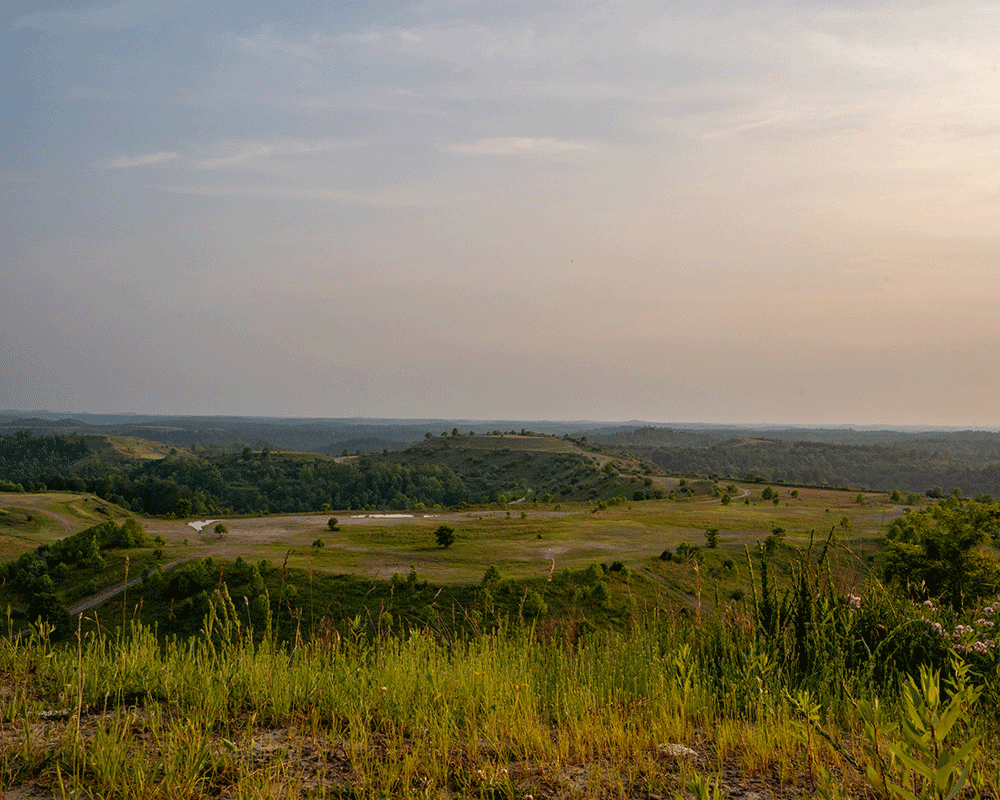
In capturing the Appalachian region, photographers often come in from an outsider’s perspective, featuring photos of the people often relying on harsh framing or monochrome edits, even in contemporary work, often perpetuating negative stereotypes. Perry knows all about capturing people in photography — as a student he worked as a sports photographer for UD athletics — and has been passionate about the field since he was in high school. But, for him, taking photos in Salyersville was about personal reflection on the quiet beauty he finds in the space and place separate from the genuine friendships he has developed with the local people.
Perry described this difference: “With portraiture, the audience comes to an instinctual conclusion, often based on their own implicit biases. With landscape photography — both large and small scale — the audience is forced to slow down to develop an interpretation.”
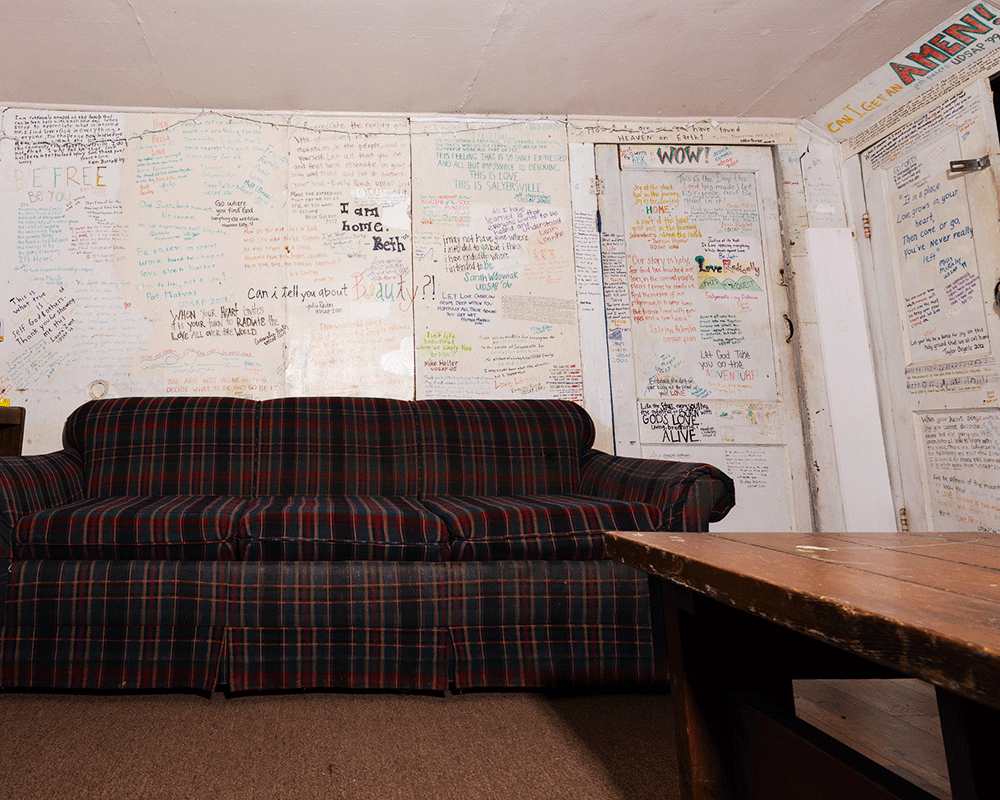
He aided in audience interpretation by pairing each photo with a description of his own personal connection and context from his journal entries.
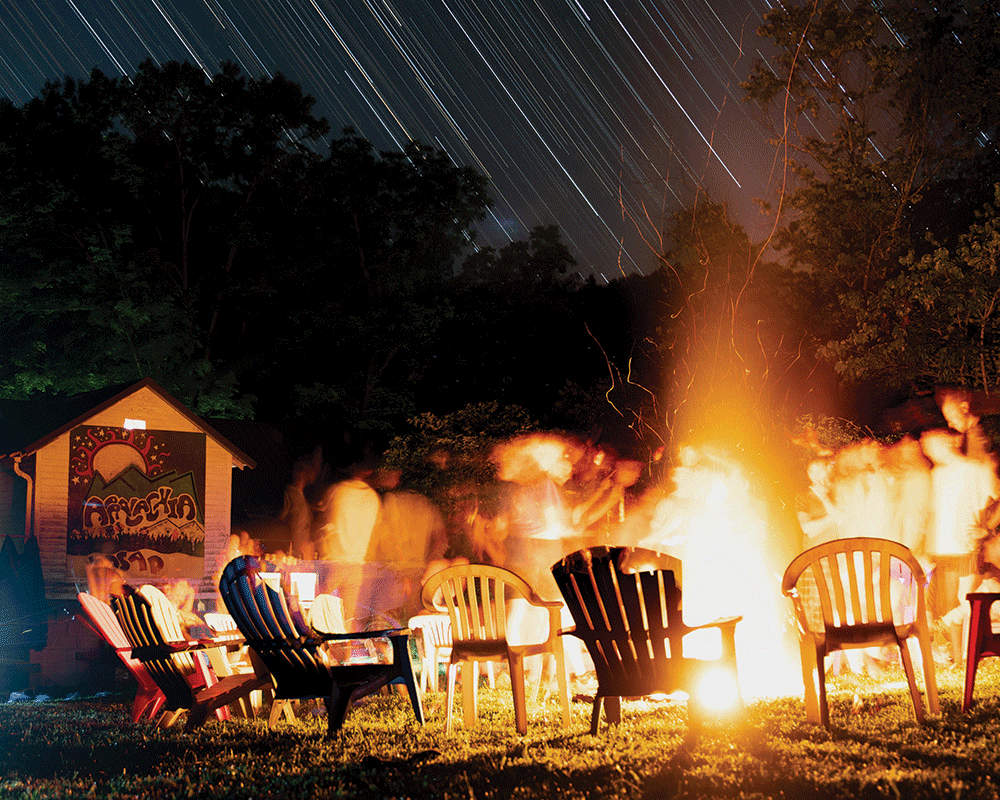
A standout photo from the collection, “Time around a bonfire,” features the star trail technique (long exposure over an hour to blur the movement of stars) and a layering blurring effect on people gathered around a campfire.
Perry shared the context of the photo: “Alumni of UDSAP visit throughout the summer, Late night camp fires are a staple for visitor weekends. These camp fires lead to late night conversations comparing experiences that transcend generations of the program.”
The image carries a dual meaning. Firstly, the long-exposure and blurring effects reflect Perry’s belief of time not existing properly with UDSAP from living in each present moment. The only still focus of the image is the house off to the left side, revealing the second meaning.
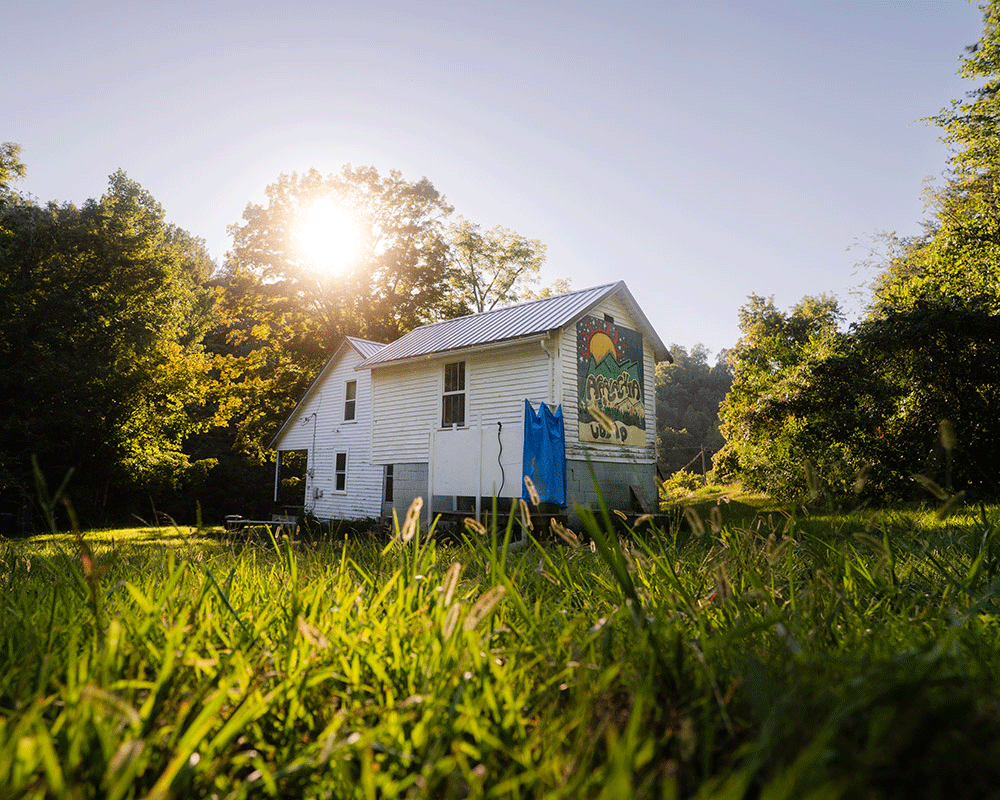
“The house in Salyersville where UDSAP members live during their visits remains constant, while the residents are a constant rotation, changing year-to-year. The house is always there even if the people are changing.”
Prior to his capstone, Perry saw himself merely as a documentary photographer in the fast-paced sports world. Completing the highly personal project changed his identity as a photographer.
“Sports photography simply exists, very external from me. Capturing a very personal place had me viewing myself more as an artist with the freedom that came in the drama of the photos and creative freedom of editing.”
Looking forward, Perry is excited to return to Salyersville as a graduate and expand his reflective portfolio of photography from the town to more portraiture.
“I finally feel like I have matured in my connection to the place and intentionally developed relationships with people there to authentically capture the experience of living there.”
Time will tell where this project of continual reflection will lead Perry, but for the present moment, he has a catalog of memories at his fingertips, no matter how far he is from Salyersville.
Photography by Luke Perry '26