Granddaughterhood
University of Dayton Magazine student photographer Maggie Endres ’26 presents her senior capstone project, capturing the story of her grandmother living in Endres’ childhood bedroom during her final months.
As my family tells it, my journey in storytelling began at age 3. Mom handed me her camera during a family wedding, and I joyfully toddled around, taking a blurry image of curly hair and a selfie of my shoes.
This May, I earned a Bachelor of Fine Arts along with a certificate in photojournalism. My work spans a wide range of subjects, reflecting a deep curiosity about people.
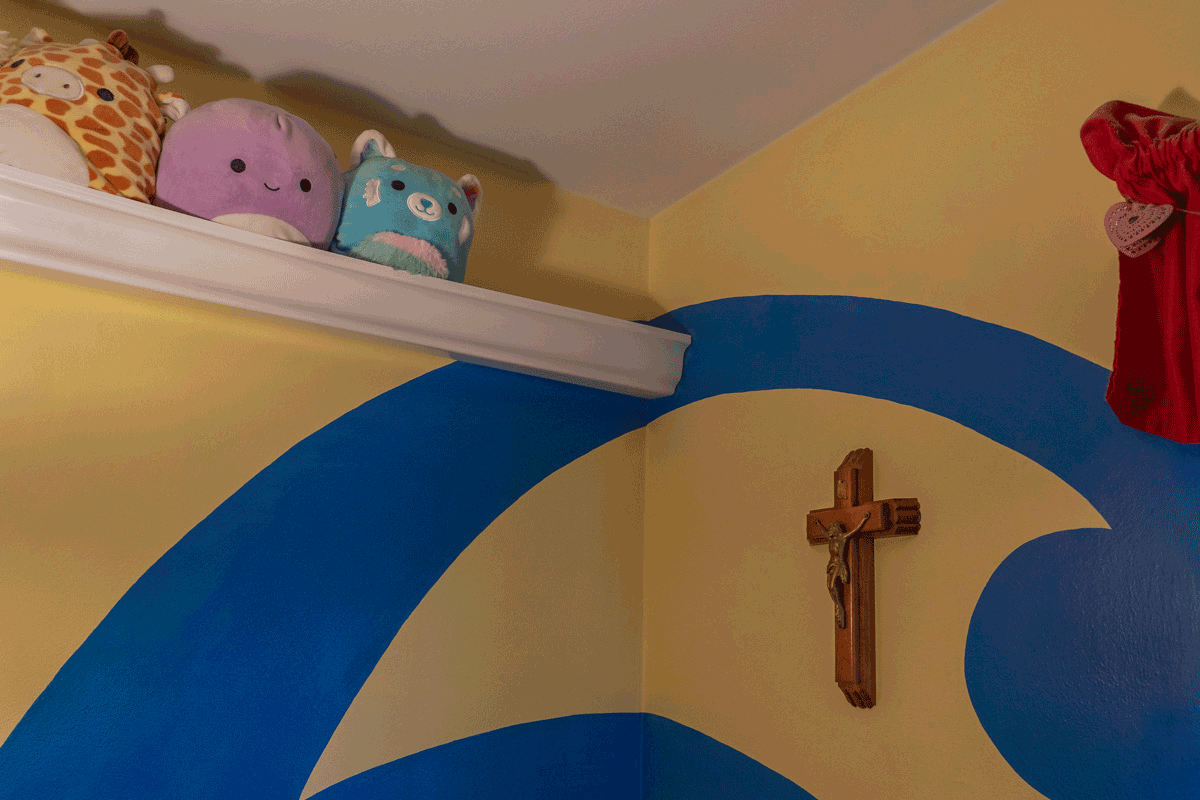
My senior capstone project started with a single photo: my grandmother’s wooden crucifix hung on the bright yellow walls of my childhood bedroom. Granddaughterhood, my first solo photo exhibition that showed at The Hub in downtown Dayton this spring, captures the experience of watching someone slowly fade in the very room where I grew up.
My grandmother, Barbara “Gramma Duckey” Chester, was a blunt woman who would greet you after time apart with, “Oh, good to see you! Have you lost — or gained — some weight?” She lived in Portage, Indiana, in a trailer home she shared with my grandfather. The space was filled wall to wall with photographs in every kind of frame; images I found myself studying over and over again each time I visited.
When my grandfather passed away in 2016, my grandmother had to face something entirely new: being alone. She stayed in that trailer by herself for about five years before moving into a small studio apartment just two blocks from our house. Living so close, we watched her slowly decline in ways that were hard to name but impossible to ignore.
Our house — the same one in which I grew up, in Speedway, Indiana — then became her home, too. Within its familiar walls, where my childhood once unfolded, traces of her quiet, aging presence began to take hold.
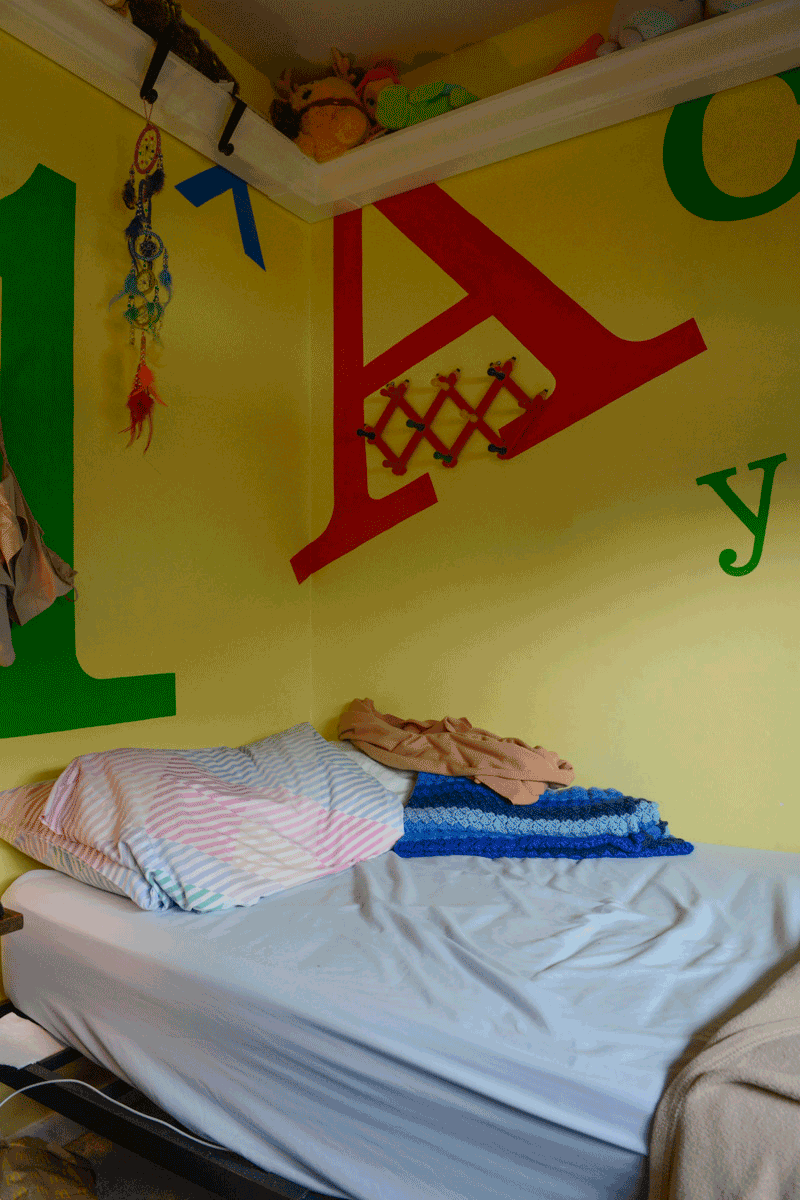
The clearest reflection of this shift was her room, which had once been my bedroom. Colorful letters and numbers, painted years ago by my father, still stretched across the walls, framing a large window that looked out onto our suburban neighborhood. It was a space once filled with imagination and play, now transformed by the realities of time and care.
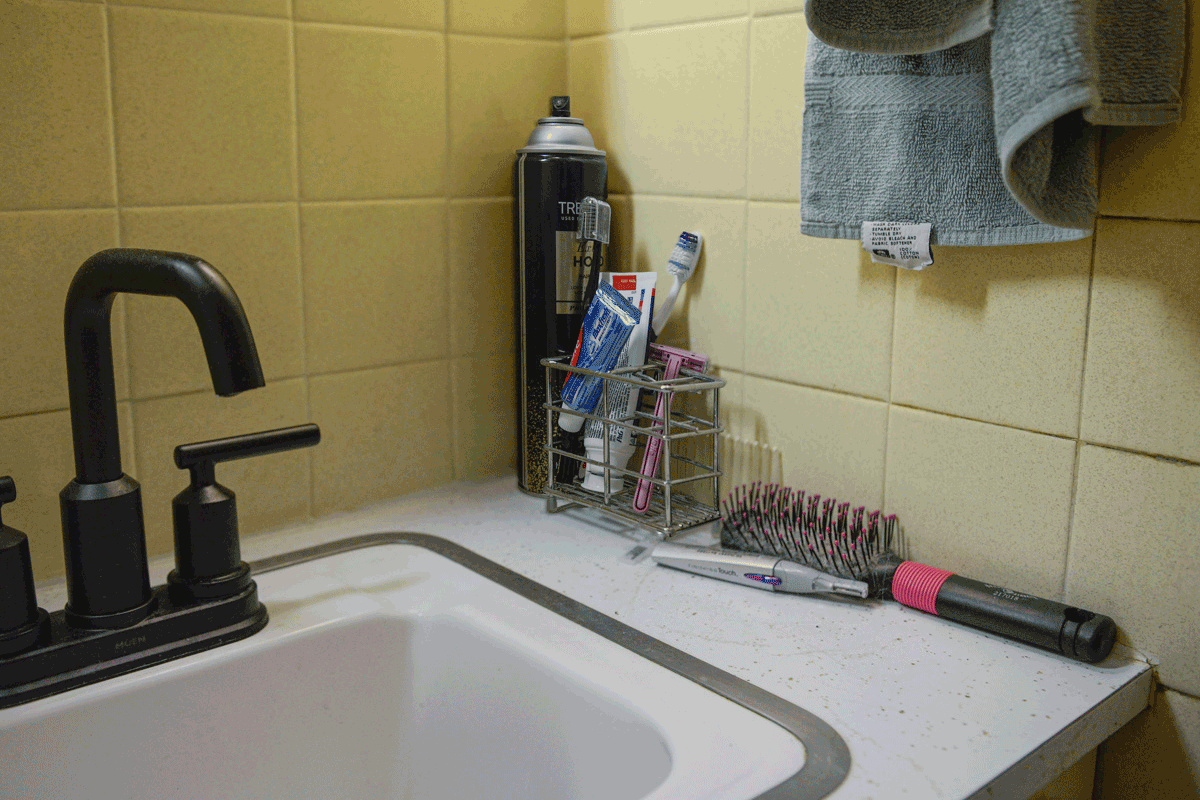
Her presence brought a kind of warmth the room had never known before, even as it introduced a new kind of living. Where there had once been a small bed piled with stuffed animals and a nightstand cluttered with trinkets, there was now a hospice bed, hearing aids and the quiet rhythm of daily care.
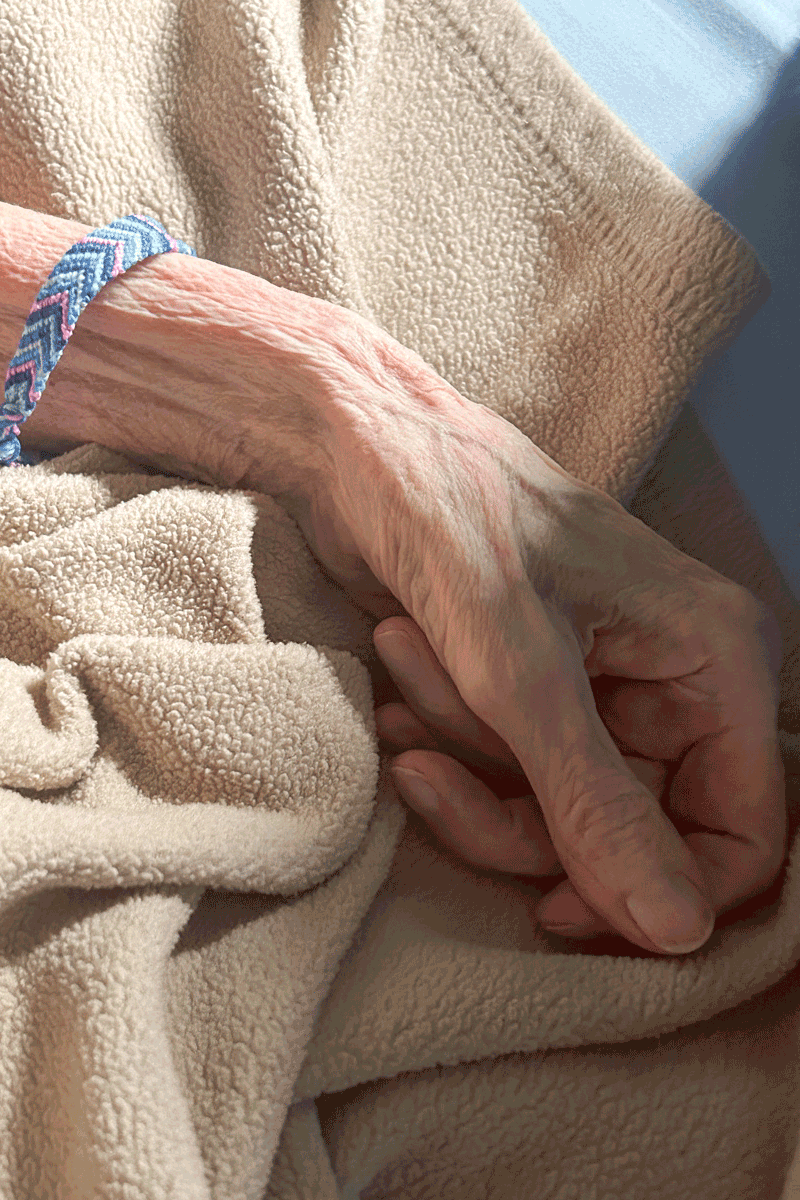
Over time, I saw her body grow smaller and more fragile, her bones becoming more visible with time. And yet, even as the outer shell of her body weakened, the inner workings carried on. Her heart kept beating, her lungs kept moving and her mind still sparked in moments of clarity. She remembered my birthday and my cousins’ birthdays, and she always knew when the Cubs were playing.
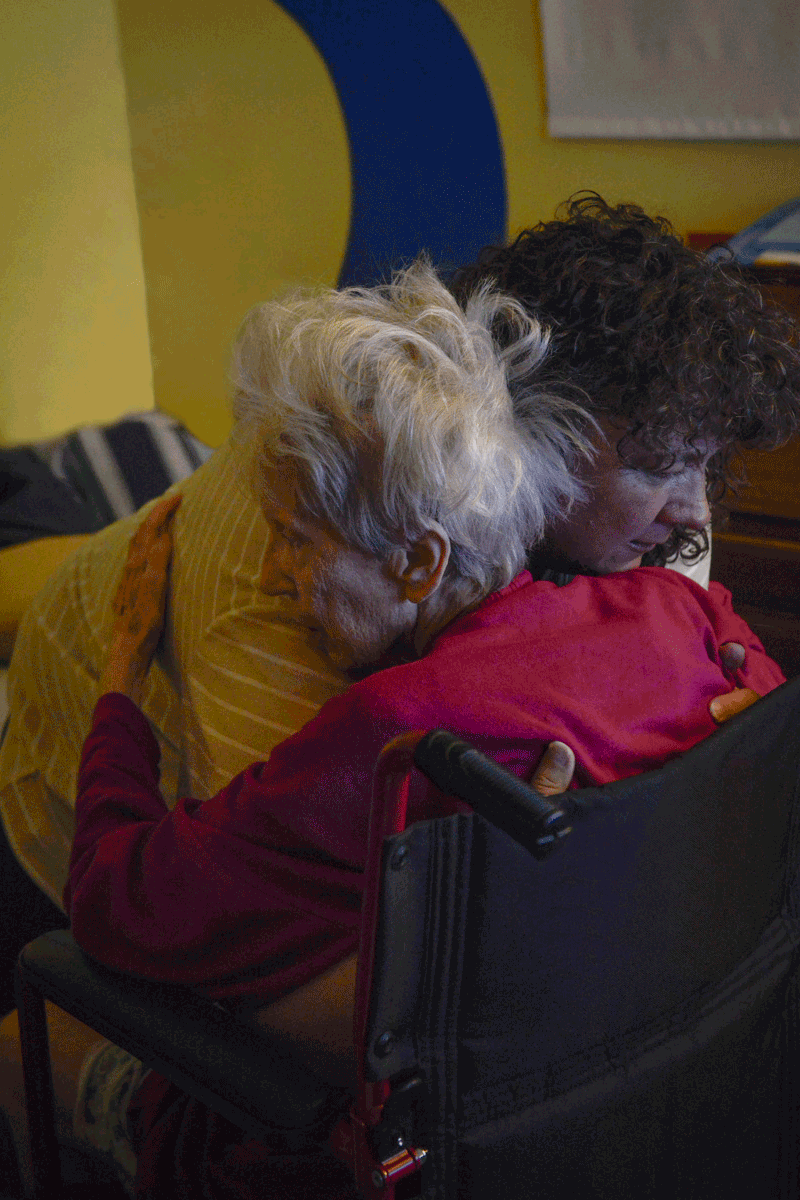
I had always known her as a fierce woman, someone who never held back from saying exactly what she thought. Now, she spoke less, choosing instead to quietly observe the world around her. That shift, subtle but intense, was difficult to integrate.
Her passing came unexpectedly for me. I was overseas in London with the Pride of Dayton Marching Band when it happened. The distance made everything feel strange, as if I had missed something I wasn’t supposed to miss. Alongside the grief there was a strange mix of emotions, but also a sense of growth and sudden maturity that I wasn’t prepared for.
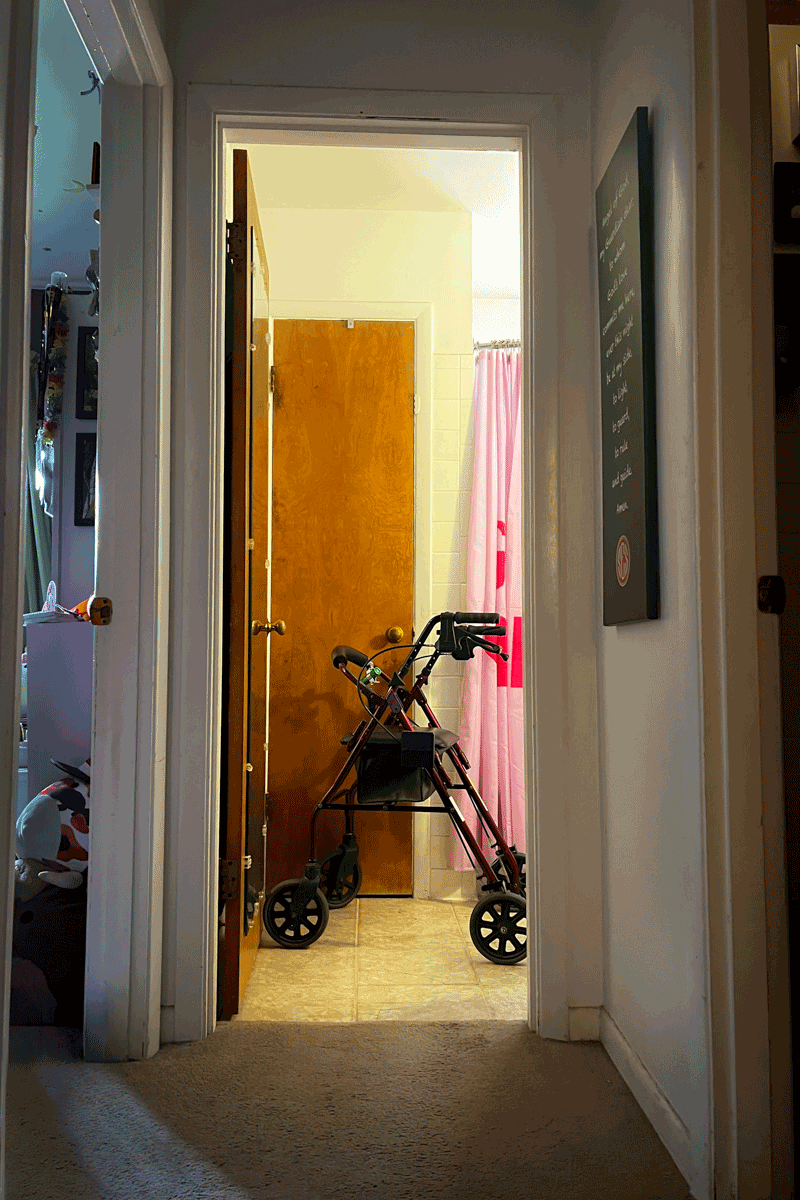
When I returned home, the house carried a different kind of warmth. It was quiet in a way that felt almost settled, like the stillness after a long and difficult storm. When I looked into the bedroom, it was nearly empty. Her cane and a few remaining belongings sat in the space, surrounded by the faint return of the room’s old whimsy, like light beginning to slip back through the cracks.
Photographs and essay by Maggie Endres '26.


