Showing Dayton-area middle and high school students that learning about artificial intelligence and cybersecurity can be fun and interactive is the goal of a two-year, $500,000 National Security Agency award led by the University of Dayton.
The team that includes Wright State University, the Air Force Institute of Technology and game-based cybersecurity training company Haiku Inc. will develop a curriculum that integrates AI cybersecurity and literacy topics through game-based scenarios in partnership with the Dayton Regional STEM Center and Dayton Regional STEM Schools.
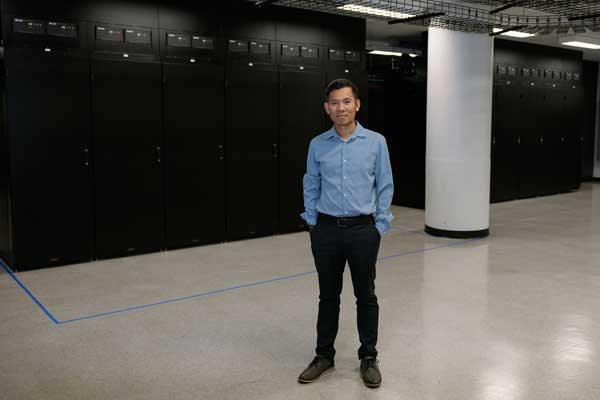
"We want to strengthen the nation's long‑term cyber workforce by improving K‑12 preparation in AI literacy and cybersecurity. We hope to do this by making AI and cybersecurity concepts teachable, engaging and adoptable in real classrooms," said Phu Phung; project leader, UD professor of computer science and director of UD's Intelligent Systems Security Lab. "Students will train simple machine-learning models in their browser, practice spotting deepfakes and AI-generated phishing, and play both attacker and defender in game-based scenarios."
The team's goal is to deliver complete instructional packages for 10 modules — lesson plans, instructor guides, exercises and assessment tools — that will be shared in the national Cybersecurity Labs and Resource Knowledge-base (CLARK) repository and the National Centers of Academic Excellence in Cybersecurity community.
"Our students thrive when they're solving real problems, not just reading about them," said Dayton Regional STEM Schools Superintendent Robin Fisher. "This program fits right into our project-based approach, giving them hands-on scenarios and games that make AI and cybersecurity real, not just theoretical."
The NSA may exercise an option for a third year at $250,000 for the UD-led team to work toward implementing the curriculum on a national scale.
"This competitive grant program is open only to institutions designated NSA National Centers of Academic Excellence in Cybersecurity, which Dr. Phung helped us earn in 2022," UD School of Engineering Dean Gül Kremer said. "In relation to AI, people have options: hide from it or lean into it. At UD, we made a commitment to thoughtfully prepare graduates for AI-enabled work settings. Dr. Phung and his team are extending this commitment to the community and using a vitally important theme. AI cybersecurity education for today's youth will pay dividends in the future when it comes to society's general AI literacy."
For interviews, contact Shawn Robinson, associate director of news and communications, at srobinson1@udayton.edu.